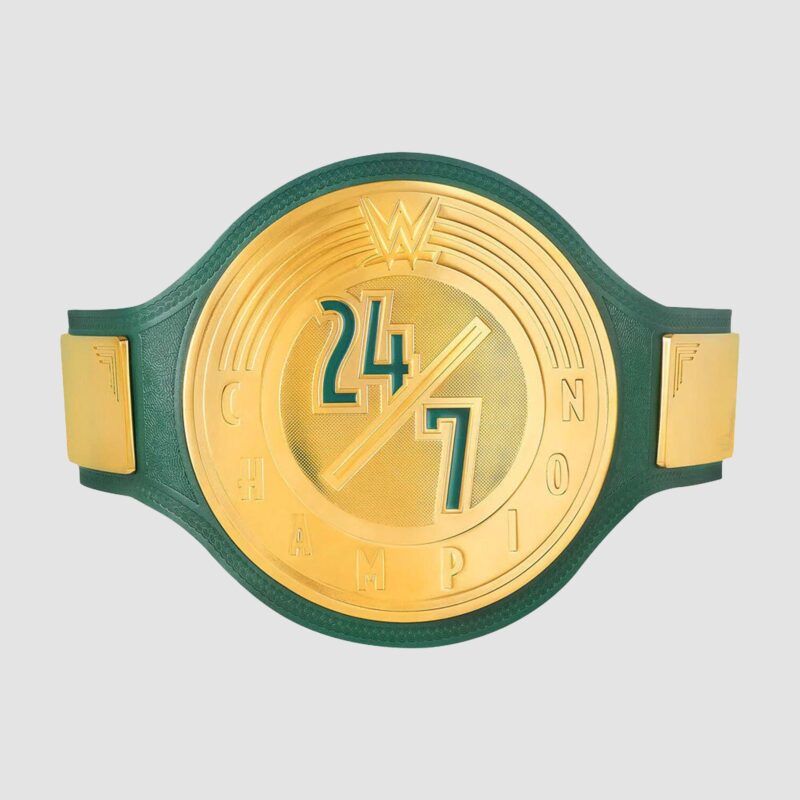
You just opened the box. The belt looked incredible in the product photos, gold plates catching the light, leather strap coiled neatly around them. But the second it’s in your hands, something feels off. The plate flexes when you press it. The “leather” smells like a shower curtain. The gold finish looks more like spray paint than plating.
This happens to wrestling fans and collectors constantly, because photos can’t tell you how a belt actually feels, weighs, or holds up. Two belts can look nearly identical online and still be worlds apart in quality, and the price tag doesn’t always tell the whole story either.
This guide breaks down exactly what separates a high-quality replica championship belt from a cheap knockoff, so you know what to check before you buy and how to inspect what arrives.
Quick Answer
A high-quality replica championship belt has die-cast zinc alloy or brass plates, not thin stamped metal or painted plastic. It has a real or heavy-duty PU leather strap with metal snap closures, deep engraved detailing with enamel-filled color, and a weight typically between 5 and 12 pounds depending on the design. Cheap replicas feel light, use painted plastic parts, and come with vague product descriptions that avoid naming actual materials.
Why Replica Belt Quality Varies So Much
Not every “replica championship belt” listing is made by the same kind of manufacturer, even when the photos look similar.
At the low end, mass-produced imports use thin stamped metal or injection-molded plastic plates coated in gold or silver paint. These are built for cosplay budgets and one-time costume use, not long-term display.
In the middle tier, most established replica makers use die-cast zinc alloy plates, which are affordable to produce, hold fine engraving detail well, and give a belt real heft without the cost of solid metal.
At the top end, premium and custom shops use brass plates, thicker plate stacks, and genuine leather straps. These belts cost more because the raw materials cost more and take longer to finish by hand.
Here’s the part that trips people up: price alone doesn’t guarantee quality. A seller can charge premium prices for a mid-tier zinc belt just by using professional photography and confident marketing copy. That’s exactly why you need to know what to look for, not just what to pay.
The Features That Define a High-Quality Replica Championship Belt
1. Plate Material
This is the single biggest factor. Look for these terms in the listing:
- Zinc alloy (die-cast): The industry standard for most replicas. Lightweight, holds detail well, and takes plating cleanly.
- Brass: Denser and heavier than zinc, with a naturally warmer gold tone. Common in premium and custom belts.
- Pot metal or unnamed “metal”: A vague catch-all that often means a softer, cheaper alloy that dents easily and doesn’t hold plating well over time.
- Plastic or resin: Fine for a costume worn once, but it cracks, scratches, and looks flat under light.
If a listing never names the actual metal, that’s a signal to ask before you buy.
2. Plate Thickness
Standard replica plates typically run about 2mm thick. Premium and custom pieces often use 4mm to 6mm plates, sometimes layered for extra depth on the design. Thicker plates resist bending and give the belt a more solid, substantial feel in the hand.
3. Strap Material
Genuine leather straps age well, flex naturally, and develop a slight patina over time, similar to a good leather belt or wallet. Most standard replicas use PU leather (a synthetic leather-like material), which can still look and perform well if it’s a heavier-grade PU. What you want to avoid is thin vinyl that feels stiff, cracks at the fold points, and doesn’t relax with wear.
4. Engraving Depth and Color Fill
Hold the plate at an angle in your product photos or, better, ask the seller for a close-up. High-quality plates have deep, crisp engraving with clean edges. The colored sections should be filled with enamel or epoxy that sits flush and doesn’t chip. Shallow, blurry, or uneven engraving is one of the clearest signs of a rushed, low-cost mold.
5. Side Plates and Hardware
On real championship belts, side plates are separate pieces attached with screws or rivets, which is also how quality replicas build them. Cheap versions often glue side plates directly onto the strap, which means they can peel or shift over time. Check the snap closures too. Metal snaps that click firmly beat plastic buckles or Velcro every time.
6. Weight
A genuine sense of heft is hard to fake. Most quality adult-size replicas weigh between 5 and 12 pounds, depending on the title and plate count. A belt that feels closer to 1 or 2 pounds is almost certainly using thin metal or plastic plates, no matter what the listing photos suggest.
7. Packaging and Presentation
This one gets overlooked. Manufacturers who care about quality also ship it that way, typically in a branded box with foam or cloth protection, sometimes with a carrying bag. A belt that arrives loose in a plastic bag inside an oversized box is a small but honest hint about how much care went into the product itself.
How to Inspect a Replica Belt Before Buying Online
You can’t hold the belt before you buy it, but you can still investigate it properly.
- Zoom into every photo. Look specifically at the plate edges, the engraving lines, and where the side plates meet the main plate. Blurry or overly filtered photos often hide flaws.
- Ask for the exact weight and plate thickness. A seller who knows their product will answer with numbers, not adjectives like “heavy-duty.”
- Request a photo of the back of the plate. The unfinished backside shows the real material and casting quality far more honestly than the polished front.
- Look for real customer photos, not just studio shots. Reviews with buyer-submitted images tell you how the belt looks under normal lighting, on an actual body, after normal handling.
- Check whether the listing names the metal type. “Metal alloy” without further detail is vaguer than it sounds. “Zinc alloy” or “brass” is a specific, checkable claim.
- Search for unboxing or review videos of that exact belt or seller. A five-second clip of someone flexing the strap or tapping the plate tells you more than paragraphs of description.
- Read the return policy before you buy, not after. Sellers confident in their materials usually offer clear, reasonable return windows. Vague or heavily restricted return terms are worth noticing.
How to Spot a Fake or Cheap Knockoff Belt
Watch for these red flags when comparing listings:
- Price that’s dramatically below every competitor for what’s described as the same design and materials.
- Stock photos reused across multiple unrelated sellers, which usually means the photos came from a manufacturer catalog, not the actual seller’s stock.
- No mention of weight, plate thickness, or metal type anywhere in the listing.
- Generic titles like “wrestling belt” or “championship belt cosplay” instead of naming the specific title or design.
- No reviews, or only reviews with no photos, especially for a seller claiming years of experience.
- Blurry or inconsistent logos across product photos, which can indicate low-resolution source art used in cheap molds.
High-Quality vs. Low-Quality Replica Belt: Side-by-Side Comparison
If you want a belt that feels authentic without a custom price tag, zinc alloy plates paired with a heavy-duty PU or genuine leather strap is the sweet spot most collectors land on.
Common Mistakes Buyers Make
- Judging quality by price alone. Marketing and photography can inflate the price of a mid-tier belt well above what the materials justify.
- Ignoring weight entirely. Weight is one of the few specs a seller can’t easily fake in writing, so always ask for it.
- Trusting studio photos over buyer photos. Professional lighting flatters every material, cheap or expensive.
- Skipping the return policy. Once you understand what “high quality” actually means, you’ll catch issues fast. Make sure you can act on what you find.
- Assuming “metal” means quality metal. Always ask which metal, specifically.
Pro Tips From Experienced Collectors
- Try the magnet test. Zinc alloy and brass are not magnetic. If a fridge magnet sticks strongly to a plate advertised as zinc or brass, it likely has a steel or iron core hidden under thin plating, added purely for cheap extra weight.
- Check for a hallmark or maker’s mark on the back of the plate. Manufacturers proud of their work usually stamp or engrave their name somewhere out of sight.
- Compare plate curvature to the original. Many championship belts have a slight curve to sit naturally on the body. Flat, rigid plates on a “curved” design can indicate a cheaper, simplified mold.
- Ask about the plating process. Electroplated finishes generally hold up better and resist flaking compared to painted-on gold or silver color.
Myths vs. Facts
Myth: Heavier always means higher quality. Fact: Weight should match the expected range for that design. Excess weight can come from a thick plastic backing or bulk pot metal rather than genuine zinc or brass.
Myth: Expensive automatically means high quality. Fact: Price often reflects a seller’s marketing and brand, not just their materials. Confirm specs regardless of price point.
Myth: If it looks perfect in photos, it’s a quality belt. Fact: Professional photography can make even plastic plates look convincing. Specs, buyer photos, and reviews tell the real story.
Decision Guide: Choosing the Right Quality Level
- Serious collector or display piece: Prioritize brass or thick zinc alloy plates, genuine leather strap, and deep enamel-filled engraving. Expect to pay for it, but expect it to last for years.
- Everyday fan or wrestler using it for photos and events: A solid zinc alloy build with a heavy-duty PU strap balances durability and cost well.
- One-time costume or gift for a casual fan: A budget replica can work fine, as long as expectations match the price. Just don’t expect display-case durability from it.
Where to Buy High-Quality Replica Championship Belts
Choosing the right seller matters just as much as choosing the right championship belt. Look for a supplier that clearly explains its materials, plate thickness, strap construction, finishing, and customization options. Real product photos, detailed specifications, and a clear return or customer support policy are strong signs that a seller takes quality seriously.
Clash Champion Belts is a trusted choice for collectors and wrestling fans looking for high-quality replica championship belts. We focus on detailed craftsmanship, quality materials, and accurate designs rather than generic, mass-produced products. Each belt can be built with options such as brass or zinc alloy plates, multiple plate thicknesses, premium leather straps, and detailed engraving.
Another advantage of buying from Clash Champion Belts is the ability to ask specific questions before ordering. Whether you want to know about plate thickness, belt weight, strap material, sizing, or customization, our team can provide clear product information so you know exactly what you are getting.
When comparing replica belt sellers, don’t choose based on price or star ratings alone. Compare the materials, construction, craftsmanship, product photos, customization options, and customer support. A seller that is transparent about these details gives you a much better idea of the quality you can expect.
For a full breakdown of pricing tiers, design options, and what to expect at each budget level, see our Complete Replica WWE Championship Belt Buying Guide for 2026.